Every swap you make on a public blockchain is permanently logged. Analytics firms sell this data to governments, employers, and advertisers. We break down what crypto privacy means, why it matters, and what you can actually do about it.
The GhostUSD Blog
6 articles on blockchain privacy, non-custodial swaps, and the protocols powering private DeFi.
Every swap you make on a public blockchain is permanently logged. Analytics firms sell this data to governments, employers, and advertisers. We break down what crypto privacy means, why it matters, and what you can actually do about it.
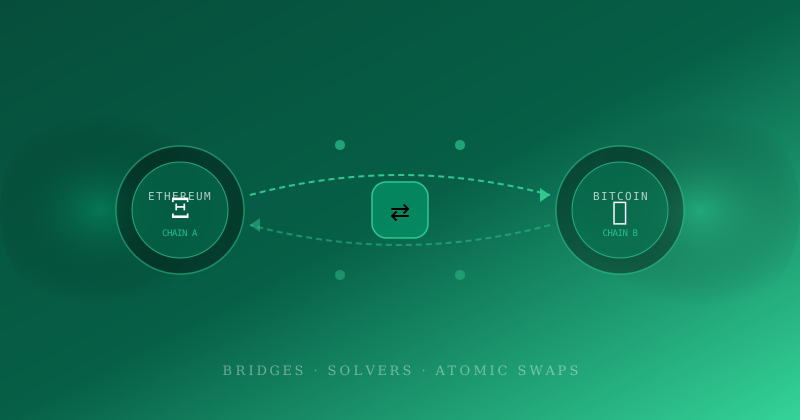
Sending tokens from Ethereum to Bitcoin sounds simple. Under the hood it involves lock-and-mint bridges, atomic swaps, liquidity pools, and relayers. We explain every layer clearly, so you understand exactly what happens to your crypto and where the risks lie.
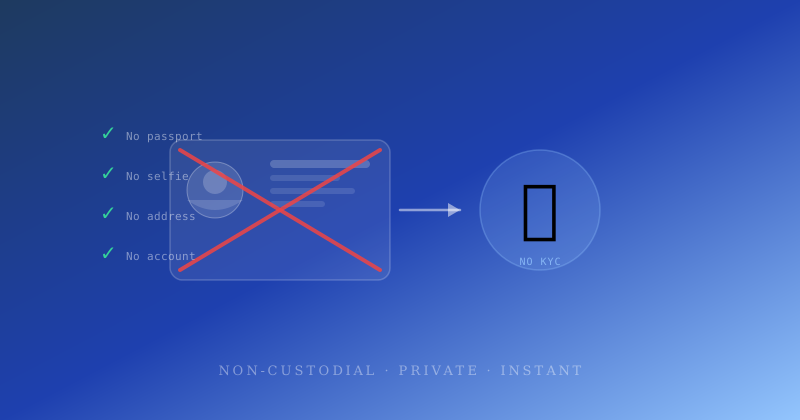
Centralized exchanges demand passports, selfies, and utility bills. They do not have to. Non-custodial swap aggregators let you exchange any crypto for any other crypto โ privately, instantly, without a single document โ using protocols that genuinely cannot know who you are.
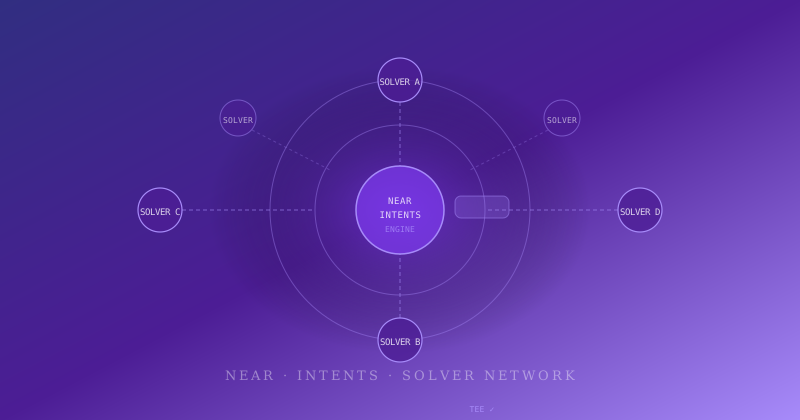
NEAR Intents is not a bridge. It is a solver network that fills cross-chain orders from pre-positioned liquidity โ fast, cheap, and with a confidential compute layer that makes your swap invisible to on-chain observers. We break down exactly how it works.
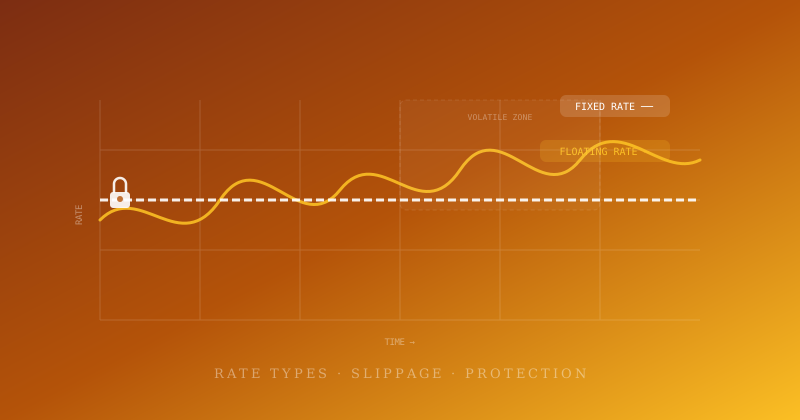
When swapping crypto, "best rate" depends on whether the rate is locked when you initiate or set when the swap settles. Fixed rates protect you from market moves. Floating rates sometimes deliver more. Here is how to pick the right one for your situation.
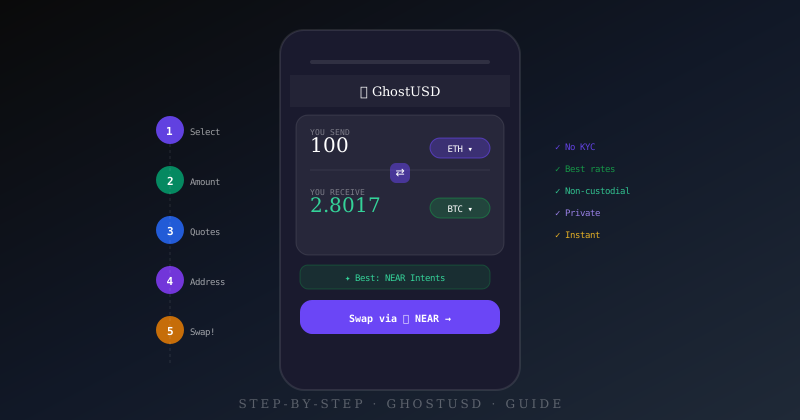
GhostUSD lets you swap any crypto for any other crypto, privately, with no account and no KYC. This guide walks you through every step โ selecting tokens, comparing quotes from NEAR Intents and HoudiniSwap, entering your receiving address, and creating your first private swap.